


Introduction
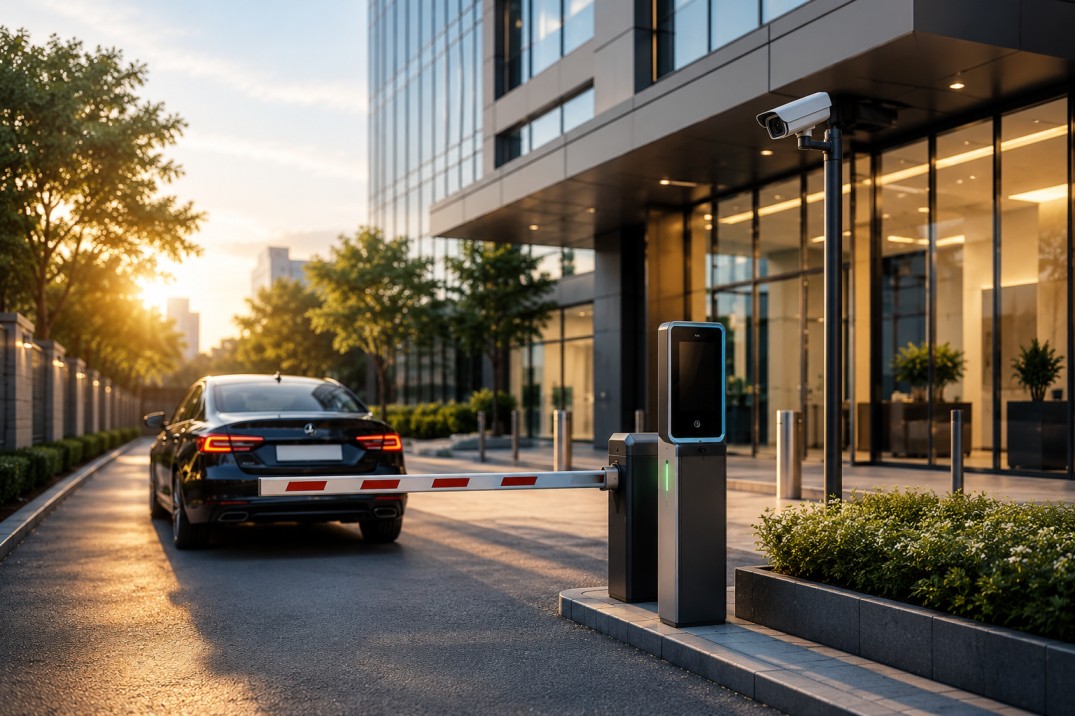
When organizations think about customer experience, they often focus on websites, customer service teams, marketing campaigns, or office environments. However, one critical touchpoint is frequently overlooked—the entrance. Whether it’s a corporate office, industrial facility, residential community, healthcare center, educational campus, or commercial property, Modern Entrance Management the first interaction people have with a business often occurs at the gat, Vehicle Access Management. A visitor arriving at a facility immediately forms an opinion based on what they experience. Long queues, confusing visitor procedures, manual security checks, and outdated infrastructure can create frustration before a meeting even begins. On the other hand, a seamless, secure, and professional entry experience can instantly build trust and confidence. In today’s digital-first world, businesses are realizing that entrance management is no longer just about security—it is about experience, efficiency, and brand perception Modern Entrance Management.
Why First Impressions Matter in Physical Spaces
Studies consistently show that people form impressions within seconds of an interaction.
While businesses invest heavily in branding, customer experience, and workplace design, many fail to recognize that facility entrances play a major role in shaping perception.
Imagine two different scenarios.
In the first, a visitor arrives and encounters a congested entrance, manual paperwork, unclear directions, and lengthy waiting times.
In the second, the visitor experiences automated access, efficient verification, clear signage, and smooth traffic flow.
The difference between these two experiences can significantly influence how the visitor views the organization.
A well-managed entrance communicates professionalism, efficiency, and attention to detail Automated Entry Systems.
The Shift from Security to Experience
Traditionally, access control systems were designed solely to prevent unauthorized entry.
Today, organizations are adopting a broader perspective.
Modern entrance management solutions help create:
- Better visitor experiences
- Improved operational efficiency
- Enhanced employee satisfaction
- Stronger security outcomes
- Valuable business insights
Forward-thinking organizations now view access control as part of their overall customer and employee experience strategy.
The Hidden Cost of Entry Delays
Many organizations underestimate the impact of delays at entrances.
Even small inefficiencies can create significant consequences over time.
Common issues include:
- Vehicle congestion
- Visitor frustration
- Employee delays
- Increased staffing requirements
- Reduced productivity
When hundreds or thousands of people access a facility each day, these inefficiencies accumulate rapidly. Modern automation helps eliminate bottlenecks while improving overall operational flow.
Why Employees Notice Entrance Experiences Too
Employee experience begins before someone reaches their desk.
Daily frustrations at entry points can affect morale and productivity.
Common challenges include:
- Parking delays
- Long queues
- Manual verification processes
- Access card failures
- Congested pedestrian entry points
Employees appreciate environments that respect their time and simplify routine tasks. Fast, reliable, and secure access contributes to a more positive workplace experience.
The Rise of Smart Facilities
Today’s facilities are becoming increasingly connected.
Building owners and facility managers are integrating technologies that communicate with one another to create smarter environments.
Examples include:
- Access control systems
- CCTV surveillance
- Visitor management platforms
- Parking management systems
- Building automation software
- Occupancy monitoring tools
These technologies create an ecosystem that improves both security and operational performance. Rather than operating independently, systems work together to provide greater visibility and control.
How Automation Creates Competitive Advantages
Many organizations think of automation purely as a cost-saving measure. While cost reduction is important, automation also creates strategic advantages.
Benefits include:
Faster Operations: Automated access systems reduce waiting times and improve traffic flow.
Improved Security: Digital verification processes help reduce human error and strengthen access control.
Better Resource Allocation: Organizations can redirect staff toward higher-value activities rather than repetitive administrative tasks.
Enhanced Data Visibility: Access systems generate valuable insights that support smarter decision-making.
Future Scalability: As facilities grow, automated systems can scale more effectively than manual processes. These advantages become increasingly important as businesses expand.
Visitor Expectations Have Changed: Consumer technology has transformed expectations. People are accustomed to mobile apps, digital check-ins, contactless payments, and instant information. As a result, visitors expect similar convenience when accessing facilities.
Modern visitor experiences often include:
- Pre-registration
- Digital invitations
- QR code access
- Automated vehicle recognition
- Touchless entry solutions
- Real-time notifications
Organizations that embrace these technologies create smoother and more professional interactions.
Security Without Friction
One of the biggest misconceptions about security is that stronger protection must create inconvenience.
Modern entrance technologies challenge this assumption.
Advanced access control systems can improve security while making access easier for authorized users.
Examples include:
- RFID authentication
- License plate recognition
- Entrance Automation
- Mobile credentials
- Biometric verification
- Automated visitor approvals
- Smart Access Control Systems
The result is a security strategy that feels almost invisible to legitimate users while remaining highly effective against unauthorized access.
The Growing Importance of Data
Every interaction at an entry point generates valuable information.
This data can help organizations understand:
- Peak traffic periods
- Visitor trends
- Parking utilization
- Employee movement patterns
- Security incidents
- Facility occupancy levels
Organizations increasingly use these insights to improve planning, optimize resources, and support operational decisions.
Access control systems are becoming valuable business intelligence tools rather than simple security devices.
Sustainability and Operational Efficiency
Sustainability goals are becoming a priority for organizations across every industry.
Entrance automation can contribute to these initiatives by reducing:
- Vehicle idling times
- Traffic congestion
- Paper-based processes
- Energy waste
- Administrative overhead
- Entrance Automation
Smarter traffic flow and digital processes support both environmental objectives and operational efficiency goals.
Preparing Facilities for the Future
The future of facility management will be shaped by automation, artificial intelligence, and connected technologies.
Emerging innovations include:
- AI-powered security monitoring
- Predictive maintenance systems
- Smart parking optimization
- Occupancy forecasting
- Digital identity management
- Autonomous visitor processing
Organizations that modernize their entrance infrastructure today will be better prepared for tomorrow’s challenges.
What Business Leaders Should Consider
Before investing in new access technologies, decision-makers should evaluate:
- Current security challenges
- Visitor experience goals
- Employee needs
- Scalability requirements
- Integration capabilities
- Maintenance support
- Long-term operational objectives
- Entrance Automation
The most successful projects align security investments with broader business goals.
Conclusion
The entrance to a facility is far more than a security checkpoint. It is often the first physical interaction employees, visitors, contractors, and customers have with an organization.
A modern, efficient, and secure entry experience communicates professionalism, builds confidence, improves operational performance, and strengthens brand perception.
As organizations continue to embrace digital transformation, entrance management will play an increasingly important role in shaping both security outcomes and user experiences.
The businesses that understand this shift will be better positioned to create safer, smarter, and more welcoming environments for everyone who enters their facilities
Smart Access Control Systems.
FAQs
Why is entrance management important for businesses?
Ans. Entrance management affects security, operational efficiency, visitor experience, employee satisfaction, and overall brand perception.
How do automated access systems improve visitor experiences?
Ans. They reduce waiting times, streamline verification processes, and provide a more professional and convenient entry experience.
Can access control systems help improve business operations
Ans. Yes. Modern systems generate valuable data that supports workforce planning, traffic management, facility optimization, and security improvements.
Are smart access solutions suitable for small businesses?
Ans. Absolutely. Access control technologies can be scaled to suit organizations of all sizes and industries.
What technologies are commonly used in modern entrance management?
Ans. Common solutions include RFID systems, mobile credentials, biometric authentication, license plate recognition, visitor management platforms, and automated barriers.
How does entrance automation support security?
Ans. Automation reduces human error, improves monitoring capabilities, maintains accurate records, and helps prevent unauthorized access.
Can access control systems integrate with other building technologies?
Ans. Yes. Modern solutions often integrate with CCTV, visitor management systems, building automation platforms, and parking management software.
What is the biggest benefit of modern entrance management?
Ans. The biggest benefit is the ability to improve security and efficiency simultaneously while creating a better experience for employees and visitors.