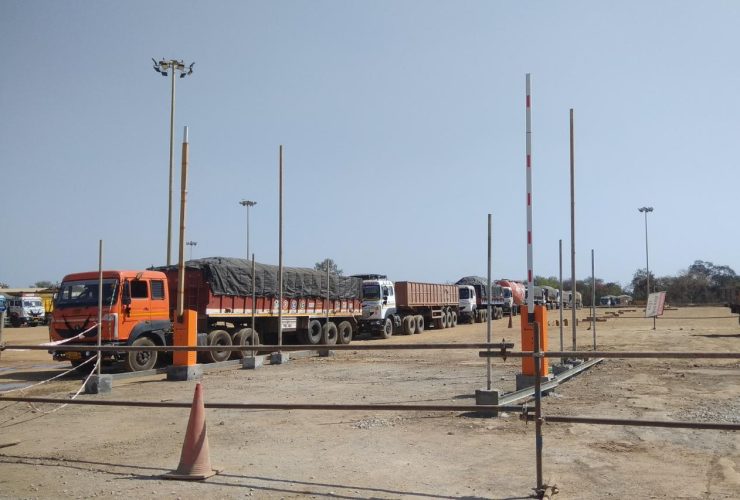
The parking industry is undergoing a significant transformation in 2026, driven by advancements in automation, artificial intelligence, and connected infrastructure. Businesses, commercial properties, residential communities, airports, hospitals, and smart cities are investing in modern solutions to improve vehicle flow, enhance security, and deliver a seamless user experienceTop Parking System Shaping the Industry in 2026
As demand for efficient vehicle management continues to rise, organizations are adopting innovative technologies that reduce congestion, optimize space utilization, and improve operational efficiency. This article explores the latest trends that are shaping the future of parking facilities worldwide.
The Growing Demand for Intelligent Vehicle Management Top Parking System Shaping the Industry in 2026
Urbanization and increasing vehicle ownership have created new challenges for facility managers. Traditional methods often struggle to handle large traffic volumes, resulting in delays and operational inefficiencies.
Modern solutions are helping organizations:
- Reduce entry and exit bottlenecks
- Improve vehicle tracking
- Enhance user convenience
- Increase operational efficiency
- Strengthen security measures
These benefits are driving the adoption of advanced parking technologies across various industries.
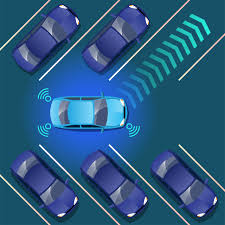
Smart Parking Solutions Powered by IoT
One of the biggest trends in 2026 is the integration of Internet of Things (IoT) technology.
Connected sensors and real-time monitoring systems enable operators to:
- Track space availability instantly
- Guide drivers to vacant spaces
- Reduce unnecessary vehicle circulation
- Improve overall traffic flow
A Smart Parking System allows facilities to provide accurate occupancy data, helping drivers save time while reducing fuel consumption and emissions.
AI and Data Analytics Revolutionising Operations
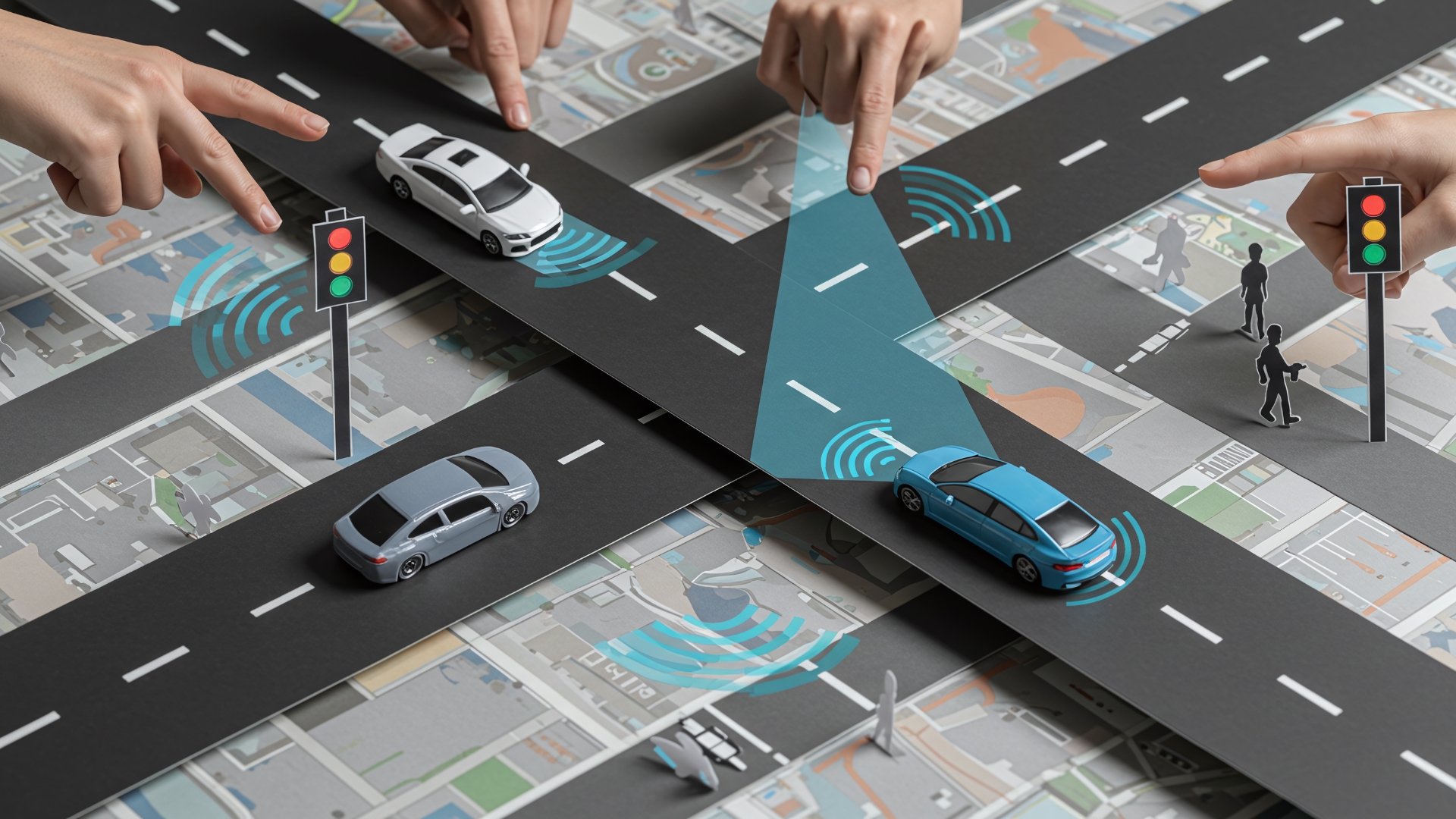
Artificial Intelligence is becoming a key component of modern parking infrastructure.
AI-powered platforms can:
- Predict peak traffic periods
- Analyze usage patterns
- Optimize resource allocation
- Improve decision-making
A modern Parking Management System can leverage data analytics to identify operational improvements and deliver a more efficient parking experience.
Businesses that utilize data-driven insights can significantly improve facility performance while reducing operating costs.
Contactless Access and Digital Payments
Customer expectations continue to evolve, making contactless technology an essential feature.
Popular innovations include:
- Mobile-based entry systems
- QR code access
- Digital wallets
- Online reservations
- Automatic payment processing
These technologies minimize manual interaction and improve convenience for users while streamlining operations for facility owners.
Advanced Security Through Automated Access Control
Security remains a top priority for organizations managing vehicle facilities.
Modern access technologies now include:
- RFID credentials
- Biometric authentication
- License plate recognition
- Visitor management integration
- Real-time monitoring
A robust Parking Access Control System helps organizations regulate vehicle movement while preventing unauthorized entry and enhancing overall site security.
License Plate Recognition Technology Gaining Momentum
Automatic Number Plate Recognition (ANPR) is becoming increasingly popular across commercial and residential developments.
Key advantages include:
- Faster vehicle identification
- Reduced dependency on physical credentials
- Improved security
- Enhanced user experience
- Accurate access records
ANPR technology is expected to become a standard feature in modern vehicle management infrastructure.
Automation Driving Efficiency
Automation continues to redefine how facilities operate.
An Automated Parking System can reduce manual intervention by handling tasks such as:
- Vehicle entry management
- Space allocation
- Payment collection
- Reporting and analytics
- Access authorization
Organizations adopting automation benefit from improved efficiency and lower operational costs.
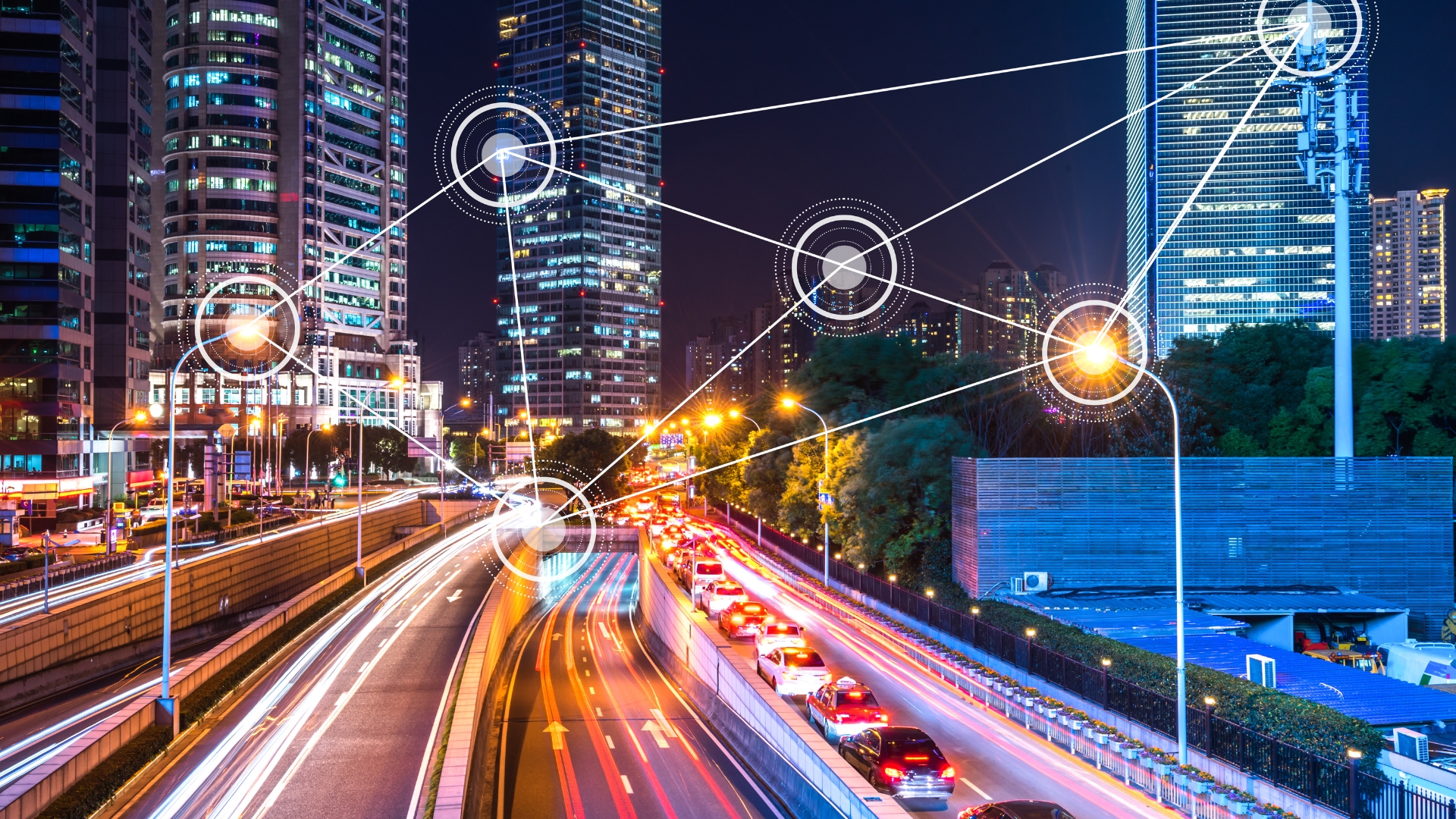
Integration with Smart City Infrastructure
Governments and urban planners are increasingly incorporating intelligent parking technologies into smart city initiatives.
Integration enables:
- Real-time occupancy monitoring
- Traffic optimization
- Environmental sustainability
- Improved mobility management
- Better urban planning
Connected systems help cities create more efficient transportation ecosystems while improving the overall experience for residents and visitors.
Sustainability Becoming a Key Priority
Environmental concerns are influencing infrastructure investments across the globe.
Modern facilities are implementing:
- Energy-efficient equipment
- EV charging stations
- Digital ticketing
- Reduced paper usage
- Smart lighting systems
These initiatives support sustainability goals while improving operational efficiency.
Frequently Asked Questions (FAQs)
1. What is a Parking Management System and how does it work?
A Parking Management System is a technology-driven solution designed to streamline vehicle entry, exit, space allocation, payment processing, and facility monitoring. It helps organizations improve operational efficiency, enhance security, and provide a better parking experience for users through automation and real-time data management.
2. What are the benefits of implementing a Smart Parking System?
A Smart Parking System offers several advantages, including:
- Real-time parking space monitoring
- Reduced traffic congestion
- Faster vehicle movement
- Improved user convenience
- Better space utilization
- Lower operational costs
These benefits make smart parking solutions increasingly popular across commercial buildings, residential communities, hospitals, airports, and smart cities.
3. How does a Parking Access Control System improve security?
A Parking Access Control System helps regulate and monitor vehicle movement by using technologies such as RFID, ANPR (Automatic Number Plate Recognition), QR codes, and biometric authentication. This ensures that only authorized vehicles can enter designated areas, improving security and reducing the risk of unauthorised access.
4. Why should businesses invest in an Automated Parking System?
An Automated Parking System minimizes manual intervention and improves efficiency by automating key processes such as vehicle identification, access control, payment collection, and reporting. Businesses benefit from reduced labor costs, enhanced security, faster vehicle processing, and a more seamless customer experience.
5. Why is SpeedGatz a trusted provider of modern parking solutions?
SpeedGatz stands out as a trusted parking technology provider because of its focus on innovation, reliability, and customer-centric solutions. The company offers advanced parking management technologies designed to help businesses improve efficiency, enhance security, and simplify vehicle access management.
FAQs
What is unauthorized entry?
Ans. Unauthorized entry refers to accessing a restricted area without proper approval, credentials, or permission.
Why are the first 10 seconds critical in security?
Ans. The first 10 seconds are important because immediate detection and response can stop threats before they escalate.
How do smart access control systems work?
Ans. They use technologies like RFID, biometric authentication, ANPR cameras, sensors, and automated gates to monitor and manage entry points.
What is ANPR technology?
Ans. ANPR stands for Automatic Number Plate Recognition. It identifies and verifies vehicle license plates automatically.
What are boom barriers used for?
Ans. Boom barriers control vehicle movement at entry and exit points to prevent unauthorized access.
How does RFID improve security?
Ans. RFID allows secure and fast verification of authorized vehicles and users through wireless identification technology.
Why is parking security important?
Ans. Parking areas are common entry points for unauthorized access, making monitoring and vehicle management essential.
What industries benefit most from smart access systems?
Ans. Residential communities, offices, factories, hospitals, warehouses, malls, and educational institutions all benefit from intelligent security solutions.
Can automated systems reduce human error?
Ans. Yes, automation improves accuracy, response speed, and monitoring efficiency while reducing manual mistakes.
What is the future of smart security?
Ans. The future includes AI-powered monitoring, cloud-based management, touchless access systems, and predictive threat detection technologies.