Introduction
When businesses invest in access control systems, their primary goal is usually security. They want to control who enters their facilities, protect assets, and reduce unauthorized access. However, many organizations overlook one of the most valuable benefits of modern access control technology: data.
Every entry, exit, visitor check-in, and vehicle movement generates information that can be used to improve operations, enhance efficiency, and support better business decisions. Modern access control systems are no longer just security tools—they are valuable sources of business intelligence Access Control Data.
Most organizations focus on the physical aspects of Access Control Data, such as gates, barriers, turnstiles, and credentials. Yet behind every access event is data that reveals how people interact with a facility.
This information can help businesses understand:
- Traffic patterns
- Building occupancy levels
- Visitor trends
- Peak operating hours
- Employee movement
- Parking utilisation
When analysed effectively, these insights can help organizations make more informed decisions and improve overall performance.
Improving Workforce Planning
Access control systems can provide valuable information about workforce behaviour without compromising privacy.
By reviewing access trends, organizations can:
- Better manage shift schedules
- Identify peak staffing requirements
- Improve workplace efficiency
- Support flexible working arrangements
This information helps managers make operational decisions based on real data rather than assumptions.
Enhancing Visitor Management
Access control systems can provide valuable information about workforce behaviour without compromising privacy.
By reviewing access trends, organizations can:
- Better manage shift schedules
- Identify peak staffing requirements
- Improve workplace efficiency
- Support flexible working arrangements
This information helps managers make operational decisions based on real data rather than assumptions.
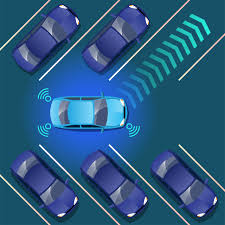
Optimising Parking and Vehicle Access
Parking congestion is a common challenge for many facilities.
Modern vehicle access control systems can generate data that helps organizations:
- Monitor parking occupancy
- Identify peak vehicle traffic periods
- Improve vehicle flow
- Reduce congestion
- Plan future parking expansion
These insights can lead to a more efficient and convenient experience for employees, visitors, and customers.
Enhancing Visitor Management
Access control systems can provide valuable information about workforce behaviour without compromising privacy.
By reviewing access trends, organizations can:
- Better manage shift schedules
- Identify peak staffing requirements
- Improve workplace efficiency
- Support flexible working arrangements
This information helps managers make operational decisions based on real data rather than assumptions.
Optimising Parking and Vehicle Access
Parking congestion is a common challenge for many facilities.
Modern vehicle access control systems can generate data that helps organizations:
- Monitor parking occupancy
- Identify peak vehicle traffic periods
- Improve vehicle flow
- Reduce congestion
- Plan future parking expansion
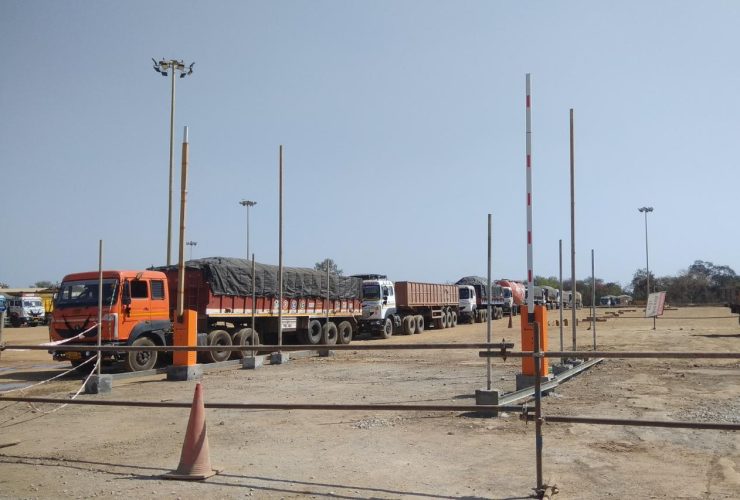
- Automated Gate Systems
These insights can lead to a more efficient and convenient experience for employees, visitors, and customers.
Supporting Better Security Decisions
Access control analytics help security teams move from reactive responses to proactive planning.
By reviewing historical data, organizations can:
- Detect unusual access patterns
- Identify potential security risks
- Investigate incidents more efficiently
- Strengthen access policies
- Improve compliance reporting
Data-driven security strategies often result in stronger protection and faster response times.
Reducing Operational Costs
Many businesses are under pressure to improve efficiency while controlling costs. Access control data can support cost-saving initiatives by helping organizations:
- Reduce unnecessary staffing expenses
- Improve facility utilisation
- Minimise traffic delays
- Identify inefficiencies
- Support preventive maintenance planning
Small operational improvements often lead to significant long-term savings.
The Role of Integrated Smart Systems
Modern facilities increasingly connect access control systems with:
- CCTV surveillance
- Visitor management software
- Building management systems
- Parking management platforms
- Security monitoring solutions
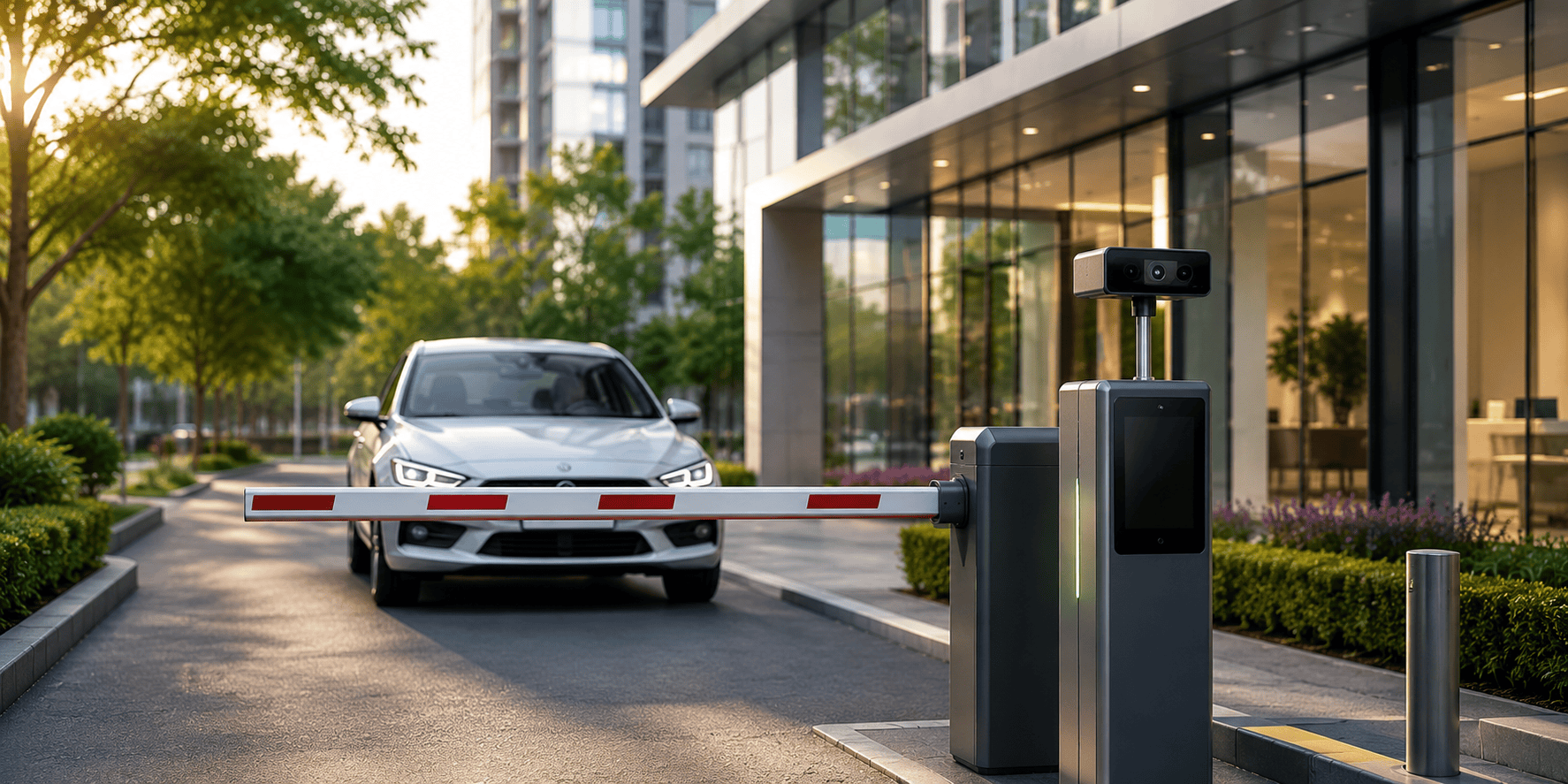
- Facility Security Systems
When these technologies work together, organizations gain a complete view of facility operations and can make smarter strategic decisions.
Preparing for the Future
As artificial intelligence and analytics technologies continue to evolve, access control systems are becoming even more powerful. Future innovations may include:
- Predictive traffic management
- Automated occupancy forecasting
- AI-driven security alerts
- Smart parking optimisation
- Real-time operational analytics
Preparing for the Future
As artificial intelligence and analytics technologies continue to evolve, access control systems are becoming even more powerful. Future innovations may include:
- Predictive traffic management
- Automated occupancy forecasting
- AI-driven security alerts
- Smart parking optimisation
- Real-time operational analytics
Businesses that embrace data-driven facility management today will be better positioned for the future.
FAQs
What is access control data?
Ans. Access control data includes information generated when people or vehicles enter and exit a facility, such as entry times, access locations, visitor records, and vehicle movements.
How can access control data improve business operations?
Ans. It helps organizations understand traffic patterns, optimise staffing, improve facility utilisation, and enhance visitor management processes.
Can access control data help improve security?
Ans. Yes. Security teams can identify unusual access behaviour, investigate incidents, and strengthen access policies using historical and real-time data.
Is access control data useful for parking management?
Ans. Absolutely. Vehicle access data can help monitor parking occupancy, reduce congestion, and improve overall traffic flow.
Why are modern access control systems considered business intelligence tools?
Ans. Because they provide actionable insights that help organizations make informed decisions about operations, security, staffing, and facility management.