


Parking has quietly become one of the biggest urban problems in India. Whether it is a commercial complex, hospital, shopping mall, residential society, or industrial campus, unmanaged parking leads to congestion, wasted time, fuel loss, and daily frustration for users. This is where smart parking solutions in India are changing the way parking spaces are planned, monitored, and used.
What Are Smart Parking Solutions?
Smart parking solutions are technology-driven systems that help manage parking spaces more efficiently. Instead of relying on manual checks, guesswork, or basic boom barriers, these systems use automation, sensors, software, and data to guide vehicles, control access, and optimize space usage.
In simple terms, smart parking tells drivers:
i) Where to park
ii) When spaces are available
iii) How to enter and exit smoothly
iv) How parking is tracked and managed
The goal is not just automation—it is better control and better experience.
Why Smart Parking Is Becoming Necessary in India?
Traditional parking systems were built for a time when vehicle numbers were low and space pressure was manageable. That reality no longer exists.
Key problems with conventional parking:
i) Long queues at entry and exit
ii) Manual ticketing errors
iii) No real-time space visibility
iv) Poor security and misuse of parking areas
Smart parking solutions address these issues by reducing human dependency and improving system accuracy.
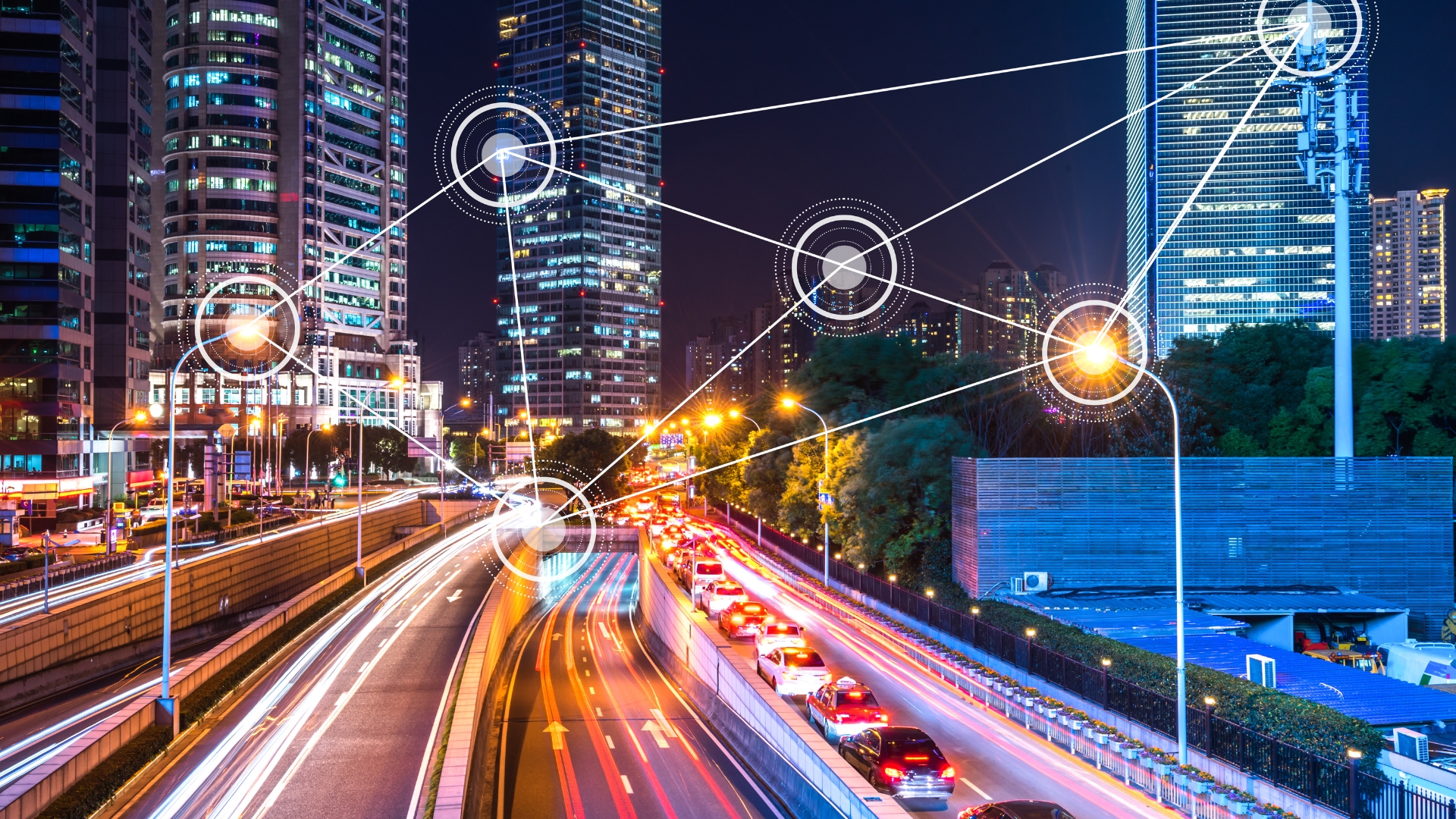
Core Components of a Smart Parking System
A smart parking solution is not one single product. It is a combination of multiple systems working together.
1. Access Control Systems: These manage vehicle entry and exit using RFID cards, QR codes, mobile apps, or number plate recognition. Only authorized vehicles are allowed, reducing misuse.
2. Parking Sensors: Sensors detect whether a parking slot is occupied or vacant. This data is sent to a central system to show real-time availability.
3. Boom Barriers and Gates: Automated boom barriers work with access control systems to ensure smooth and controlled vehicle movement.
4. Parking Management Software: This is the brain of the system. It tracks entries, exits, duration, payments, and usage patterns. It also generates reports for better decision-making.
5. Display Boards and Signage: Digital signboards guide drivers toward available spaces, reducing confusion and unnecessary movement inside parking areas.
Types of Smart Parking Solutions
Smart parking systems can be customized based on site size, traffic load, and usage pattern.
1. On-Street Smart Parking: Used in city roads and public areas where parking demand is high. Sensors and apps help drivers find vacant spots quickly.
2. Off-Street Parking Systems: Common in malls, offices, hospitals, and residential complexes. These systems manage entry, exit, and internal movement efficiently.
3. Automated and Semi-Automated Parking: Ideal for space-constrained areas where vertical or mechanical parking systems are required.
Benefits of Smart Parking Solutions
1. For Users
i) Less time spent searching for parking
ii) Faster entry and exit
iii) Reduced stress and fuel consumption
2. For Property Owners
i) Better space utilization
ii) Improved security and control
iii) Data-driven parking management
3. For Cities
i) Reduced traffic congestion
ii) Lower emissions
iii) Better urban mobility planning
Smart parking is not just a convenience upgrade—it is an infrastructure improvement.
Smart Parking for Commercial and Industrial Projects
In commercial and industrial environments, parking efficiency directly affects operations.
i) Employees reach workplaces faster
ii) Visitors experience smoother access
iii) Logistics and delivery vehicles move without delays
Smart parking systems also help management monitor peak hours, underused areas, and long-term trends—information that manual systems simply cannot provide.
Challenges in Implementing Smart Parking Solutions
While smart parking offers clear advantages, poor planning can reduce its effectiveness.
Common Mistakes:
i) Choosing technology without site assessment
ii) Ignoring future scalability
iii) Focusing only on hardware, not software
iv) Selecting vendors based only on price
A smart parking solution works best when it is designed for the site, not forced onto it.
How to Choose the Right Smart Parking Solution?
Before investing, decision-makers should ask:
a) What is the daily traffic volume?
b) Is the parking short-term or long-term?
c) Will the system need future integration?
d) Who will handle maintenance and support?
The right solution balances technology, usability, and long-term reliability.
Smart Parking and the Future of Urban Mobility
As Indian cities grow, smart parking will play a critical role in:
i) Reducing traffic bottlenecks
ii) Supporting electric vehicle infrastructure
iii) Enabling data-driven urban planning
Smart parking is no longer optional—it is becoming a standard requirement for modern developments.
Frequently Asked Questions
Q-1 What is the main purpose of smart parking solutions?
Ans. The main purpose is to reduce parking congestion, improve space utilization, and provide a smoother experience for users and operators.
Q-2 Are smart parking systems expensive?
Ans. Costs vary based on size, technology, and integration level. While initial investment may be higher than manual systems, long-term savings and efficiency usually outweigh the cost.
Q-3 Can smart parking systems be used in residential societies?
Ans. Yes. Smart parking solutions are widely used in residential complexes to control access, assign slots, and improve security.
Q-4 Do smart parking systems require internet connectivity?
Ans. Most systems use internet or local networks for real-time data and monitoring, though some components can work offline temporarily.
Conclusion: Smart Parking Solutions in India
Smart parking solutions are no longer just about convenience—they are about control, efficiency, and future readiness. As parking demand continues to rise across cities, commercial hubs, and residential developments, traditional systems struggle to keep up. Smart parking brings structure to chaos by combining automation, data, and thoughtful design.
By choosing the right smart parking solution, businesses and city planners can reduce congestion, improve user experience, and build parking infrastructure that adapts to tomorrow’s needs. A well-planned system today prevents operational problems and costly upgrades in the future.