


Managing vehicle entry has become a core requirement for residential societies, industrial facilities, toll plazas, commercial parking zones, and government establishments. With rising traffic volumes and increasing security concerns, manual gates are no longer efficient or secure. This has made the boom barrier system one of the most widely adopted solutions for organized access control.
A boom barrier does more than just block or allow entry — it streamlines traffic, enhances security, automates access, and ensures accountability using modern technology. This blog breaks down everything you need to know about boom barrier systems, their types, features, applications, benefits, and how to choose the right one.
What Is a Boom Barrier System?
A boom barrier system is an automated electromechanical or hydraulic gate with a horizontal arm that rises and lowers to control vehicle entry and exit. It ensures controlled access by integrating with technologies like:
i) RFID
ii) ANPR (Automatic Number Plate Recognition)
iii) UHF tags
iv) Access cards
v) Mobile-based entry
vi) Parking management software
Boom barriers are essential for any location that requires efficient vehicle flow, safety, and restricted access.
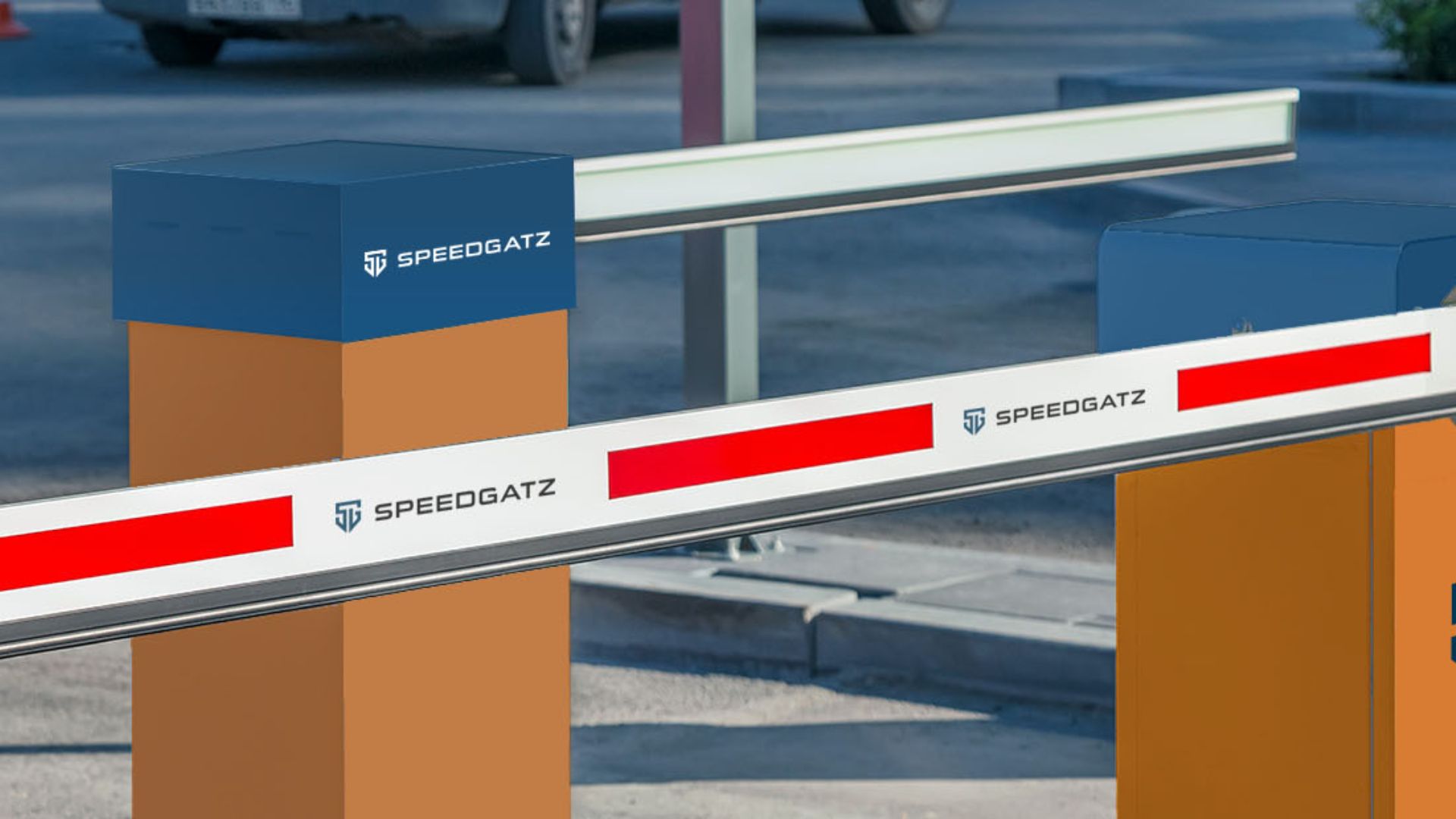
How Boom Barrier Systems Work?
Although the system looks simple from the outside, it relies on an intelligent combination of hardware and software.
Step-by-Step Operation:
1. Vehicle Approaches Entry Lane: Sensors or detectors identify vehicle presence.
2. Access Validation: System verifies entry through RFID, ANPR, QR code, remote, or manual command.
3. Boom Barrier Lifts Automatically: The barrier arm rises smoothly, allowing the vehicle to pass.
4. Safety Check: Sensors ensure no obstacle is under the arm.
5. Automatic Closing: Once the vehicle clears the path, the arm returns to its original position.
6. Data Logging: Every entry and exit event is recorded for monitoring or auditing.
This workflow ensures fast movement, zero manual intervention, and maximum safety.
Types of Boom Barrier Systems
Choosing the right barrier depends on your usage, traffic load, and level of security required.
1. Electromechanical Boom Barriers
a) Most commonly used
b) Ideal for residential, commercial, and logistics use
c) Cost-efficient and durable
2. Hydraulic Boom Barriers
a) Heavy-duty and built for continuous operation
b) Ideal for toll plazas, industrial zones, high-traffic areas
c) Smooth and silent movement
3. Automatic Boom Barriers with RFID Integration
a) Access through RFID cards or UHF tags
b) Perfect for gated communities and workplaces
4. ANPR-Based Boom Barriers
a) License plate recognition for seamless entry
b) Best for high-security and parking automation
5. Folding Arm Boom Barriers
a) Suitable for low-height ceilings or parking basements
6. Crash-Rated/High-Security Barriers
a) Resistant to forced vehicle impact
b) Used in government buildings, defense, and critical zones
Each type has a unique purpose based on demand, usage, and security levels.
Key Components of a Boom Barrier System
A robust boom barrier setup consists of:
a) Barrier Arm (Aluminum/Fiber)
b) Motor & Drive Unit (electromechanical or hydraulic)
c) Control Panel
d) Sensors & Detectors
e) Access Readers (RFID/ANPR/UHF)
f) Manual Release System
g) LED Indicators
h) Software Dashboard
These components work together to create a fast, reliable, and intelligent access control system.
Why Boom Barrier Systems Are Essential Today?
1. Improved Traffic Flow: No manual gate delays — fast entry and exit.
2. Enhanced Security: Only authorized vehicles can enter; unwanted vehicles are blocked.
3. Automation & Efficiency: Reduces manpower dependency and human error.
4. Accurate Data Logging: Tracks visitor logs, parking usage, and vehicle movement.
5. Integrated Access Control: Works with CCTV, RFID, ANPR, parking management, and security systems.
6. Cost Savings: One-time installation reduces long-term operational costs.
7. 24/7 Reliable Operation: Built for continuous performance in all weather conditions.
Where Boom Barrier Systems Are Commonly Used?
1. Residential & Gated Communities: Control visitor vehicles and improve resident safety.
2. Commercial Properties & Business Parks: Manage employee and visitor vehicles efficiently.
3. Industrial Facilities & Warehouses: Secure entry of supply chain vehicles and heavy trucks.
4. Malls & Shopping Complexes: Smooth parking movement and automatic billing.
5. Airports, Metro Stations & Public Transport Hubs: Handle high-volume vehicle traffic.
6. Toll Plazas: Fast and continuous operation is vital for large traffic flows.
7. Government & Defense Establishments: High-security systems with impact-resistant barriers.
Boom barriers are incredibly versatile, making them suitable for almost every sector.
Advanced Features in Modern Boom Barriers
1. ANPR Integration: Hands-free, number plate-based entry and exit.
2. IoT & Cloud Connectivity: Remote monitoring, maintenance alerts, and analytics.
3. Obstacle Detection Sensors: Safety-first automation to prevent accidents.
4. Anti-Smashing Technology: Prevents the barrier from closing on vehicles.
5. High-Speed Operation: Lift time as low as 1 second for busy areas.
6. Solar-Powered Options: Energy-efficient sustainable solutions.
How to Choose the Right Boom Barrier System (2025 Buying Guide)
Here’s what to consider:
1. Traffic Volume
a) High traffic → hydraulic or high-speed barriers
b) Low to medium → electromechanical
2. Integration Requirements
a) RFID
b) ANPR
c) Parking system
d) Access control software
3. Security Level
a) General → standard boom barrier
b) High security → crash-rated barriers
4. Arm Length & Gate Width: Typically ranges from 3 meters to 7 meters
5. Budget & ROI: Balance between upfront cost and long-term maintenance
6. Vendor Reliability: Choose brands that offer installation, AMC, and spare support
Matching the barrier type to your site needs ensures operational efficiency and long-term performance.
Future of Boom Barrier Systems (2025–2030 Developments)
Boom barriers are evolving rapidly with advanced technologies:
1. AI-Assisted Access Control: Smart systems analyze patterns and optimize entry management.
2. IoT-Based Predictive Maintenance: Sensors alert when servicing is required.
3. Fully Automated Parking Systems: Boom barriers integrated with end-to-end smart parking.
4. Seamless Cloud Reporting: Centralized dashboards for multi-site monitoring.
5. High-Security Impact Barriers: Designed to stop high-speed intrusion attempts.
The future is smarter, faster, and more connected.
Frequently Asked Questions - Smart City Parking
Q-1 What is a boom barrier system?
Ans. An automated gate with a horizontal arm used to regulate vehicle entry and exit.
Q-2 Are boom barriers safe for high-traffic areas?
Ans. Yes, hydraulic and high-speed models are designed for continuous operation.
Q-3 Can a boom barrier integrate with ANPR or RFID?
Ans. Absolutely — modern systems support both technologies.
Q-4 Where are boom barriers most commonly used?
Ans. Societies, industries, malls, airports, toll plazas, and government buildings.
Q-5 What is the lifespan of a boom barrier?
Ans. A well-maintained system lasts 7–12 years depending on usage and build quality.
Conclusions - Parking Guidance System
A boom barrier system is one of the most efficient and reliable ways to manage vehicle access across any property. With automated movement, advanced sensors, and integration-ready technology, boom barriers significantly improve security, traffic flow, and operational convenience.
Whether you’re managing a housing society, industrial plant, commercial building, or smart city infrastructure, investing in a high-quality boom barrier is a long-term upgrade that pays off in control, safety, and efficiency.
In a world moving towards automation, a boom barrier system isn’t just a tool — it’s an essential component of modern security and intelligent access management.